Trades
The math tradespeople use on the job
11 live exhibits. Each one already works. Change a number and see what happens.
Open as board Play with these together. Solving one grows related exhibits.
 Geometry
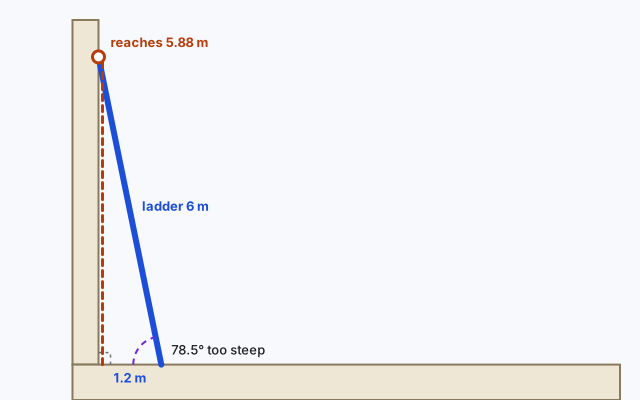
Ladder against a wall: how high will it reach?
A ladder, a wall, and the ground make a right triangle. Pythagoras does the rest.
 Linear Equations
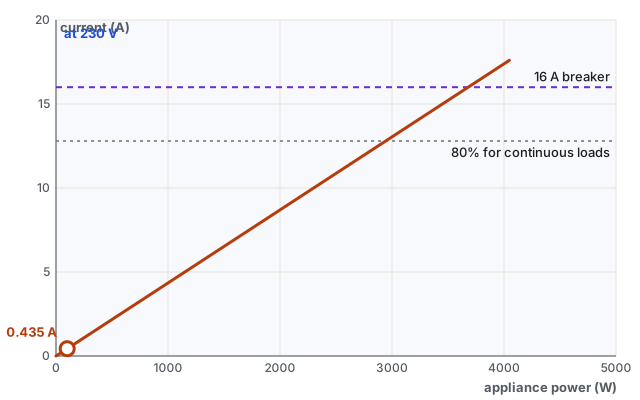
How many amps does it draw?
Watts divided by volts gives amps. That decides the breaker and the wire.
 Linear Equations
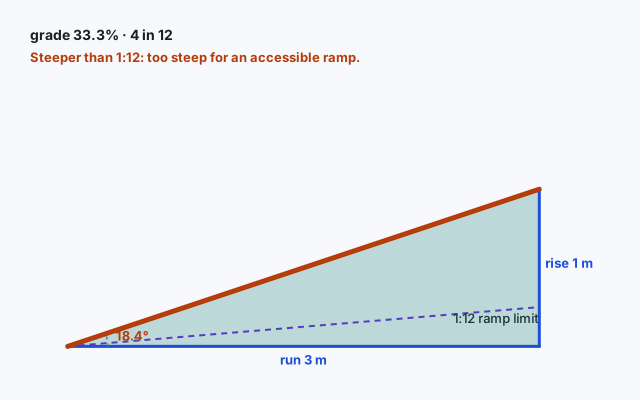
Roof pitch and ramp slope: rise over run
Slope is one number that decides whether a roof sheds water or a ramp is safe to roll up.
 Geometry
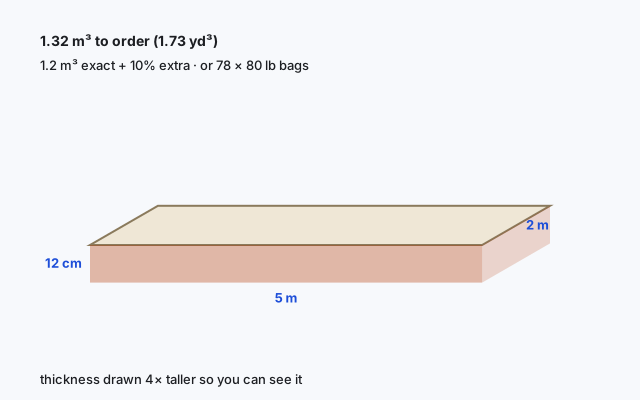
How much concrete for a slab?
Length × width × depth, plus a little extra. Get it right and you won’t run short mid-pour.
 Geometry
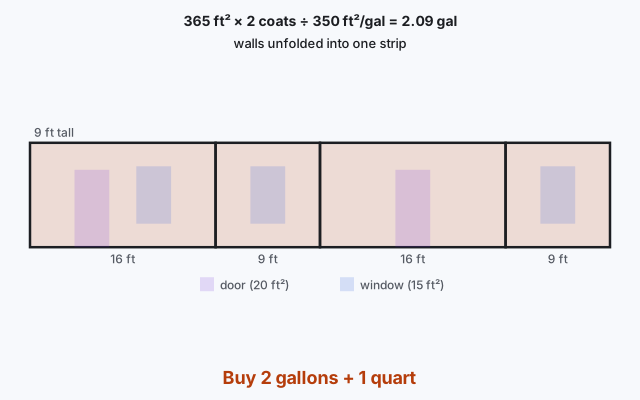
How much paint do I need for a room?
Unfold the walls into one long rectangle. Area, minus doors and windows, sets the gallons.
 Ratios & Proportions
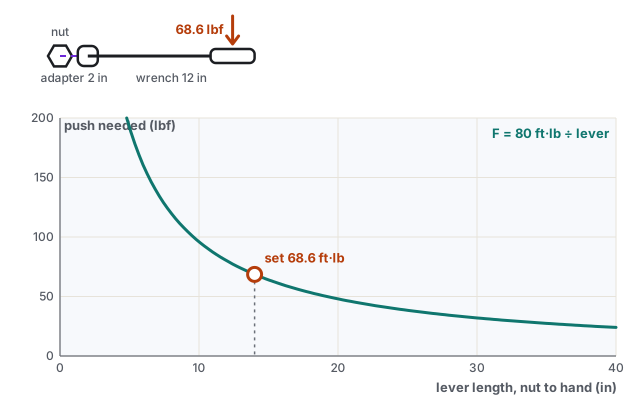
Torque: how hard to pull the wrench, and what an adapter changes
Torque is force times distance. A longer handle takes less push, and an adapter that adds length means you must set the wrench lower.
 Ratios & Proportions
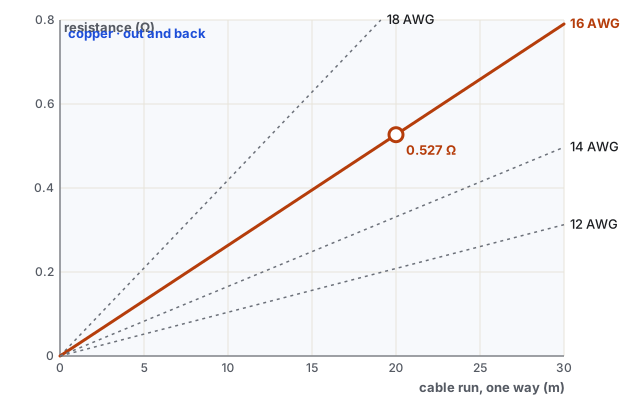
Wire resistance: longer and thinner resist more
Resistance grows with length and shrinks with thickness. Pick the wire that keeps it low.
 Linear Equations
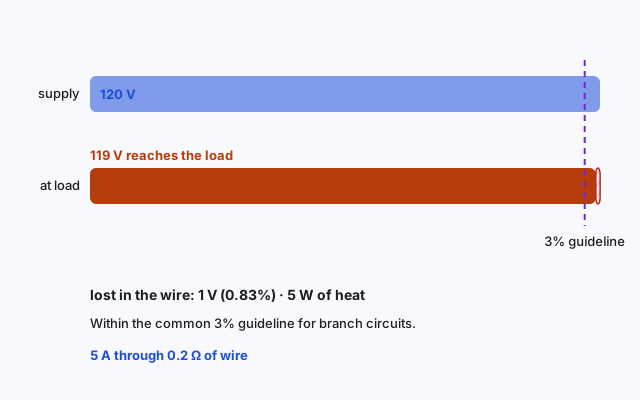
Voltage drop: what the wire takes before the load gets it
Current times wire resistance is voltage you never get to use.
 Linear Equations
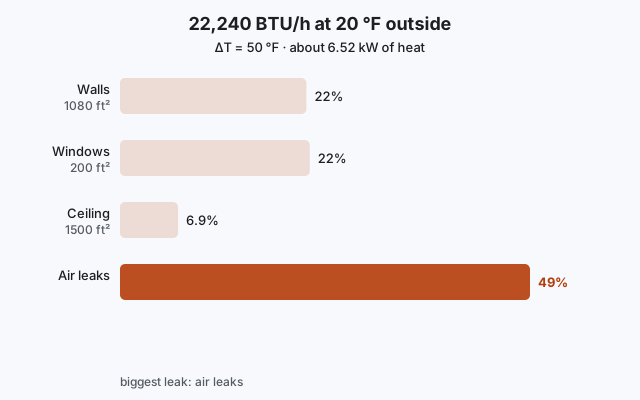
Home heat loss: where does the heat go?
Heat leaks through each surface in proportion to area and temperature difference, divided by R. Windows and drafts punch far above their size.
 Ratios & Proportions
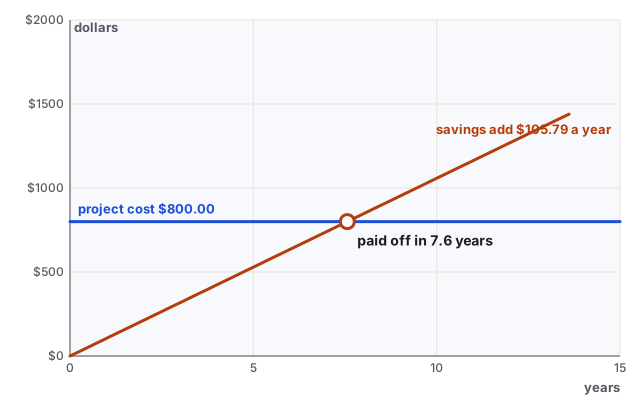
Insulation payback: how long until it pays for itself?
Heat saved goes as 1/R_before − 1/R_after, so the first few inches pay back fastest.
 Ratios & Proportions
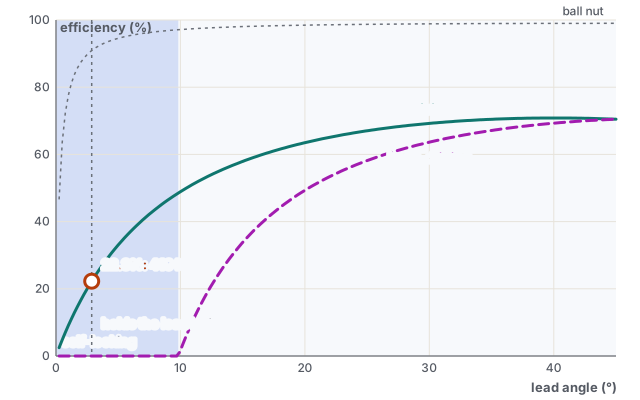
Lead screw vs. ball screw: turning torque into a push
A screw trades turns for force: F = 2π × efficiency × torque ÷ lead. Friction decides whether it also holds the load with the power off.