Linear Equations
Where linear equations show up in real life
17 live exhibits. Each one already works. Change a number and see what happens.
Open as board Play with these together. Solving one grows related exhibits.
 Start here
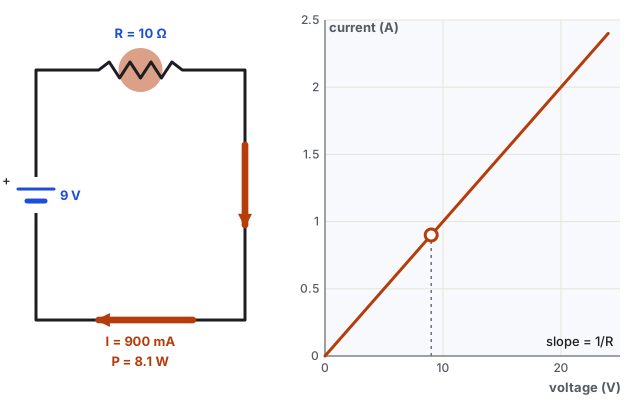
Ohm’s law: how much current flows?
Push harder (volts) or squeeze tighter (ohms), and watch the current change.
 Systems of Equations
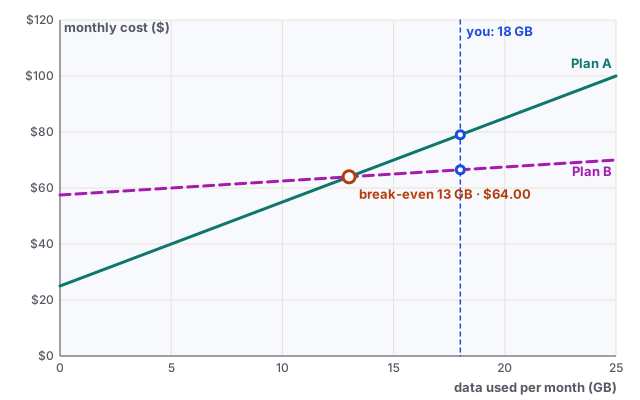
Phone plans: finding the break-even point
Two plans, two lines. Where they cross, the price is the same.
 Linear Equations
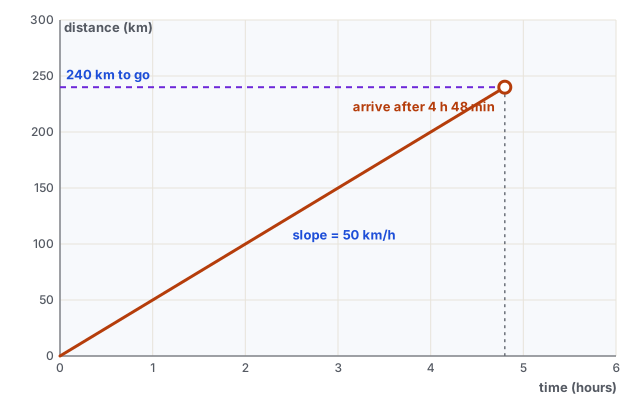
Speed, distance, time: how long is the drive?
Distance is speed times time. Rearrange it and you know when you’ll arrive.
 Linear Equations
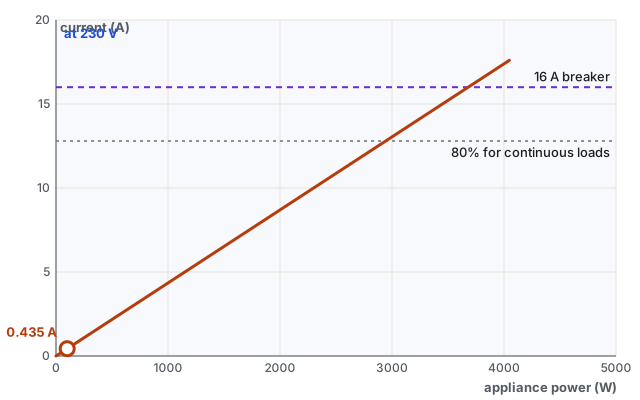
How many amps does it draw?
Watts divided by volts gives amps. That decides the breaker and the wire.
 Linear Equations
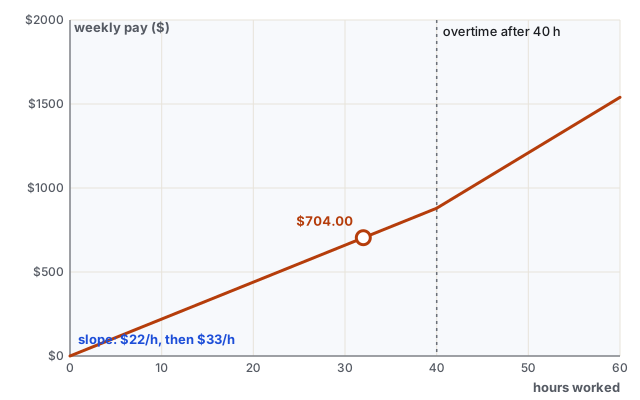
Hourly pay and overtime: time-and-a-half
A straight line with a bend: after 40 hours, every hour pays more.
 Linear Equations
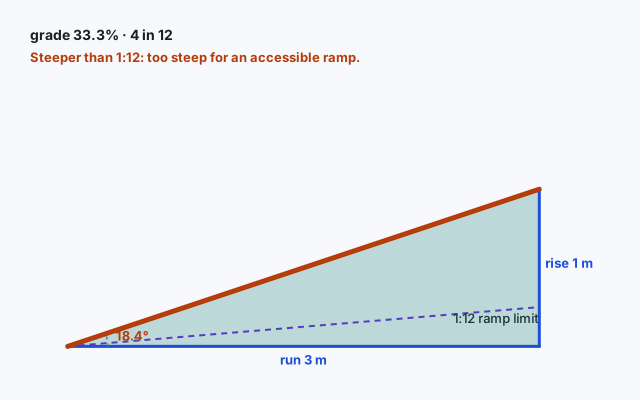
Roof pitch and ramp slope: rise over run
Slope is one number that decides whether a roof sheds water or a ramp is safe to roll up.
 Linear Equations
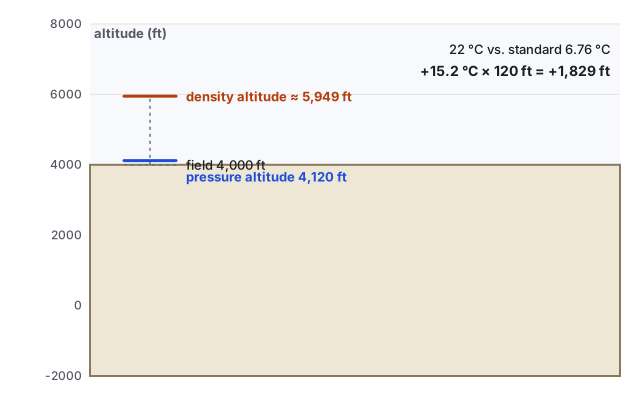
E6B density altitude: the 120-feet-per-degree rule
Pressure altitude, plus 120 ft for every degree warmer than standard. Quick enough to do in your head.
 Linear Equations
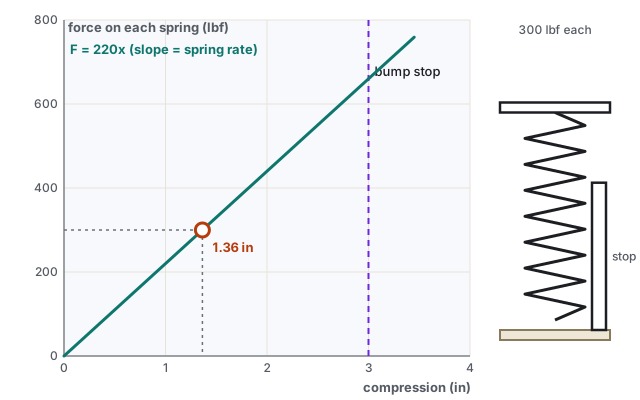
Hooke’s law: how far does the car sag when you load it?
A spring squeezes in a straight line with the load: twice the weight, twice the sag, until it hits the stops.
 Ratios & Proportions
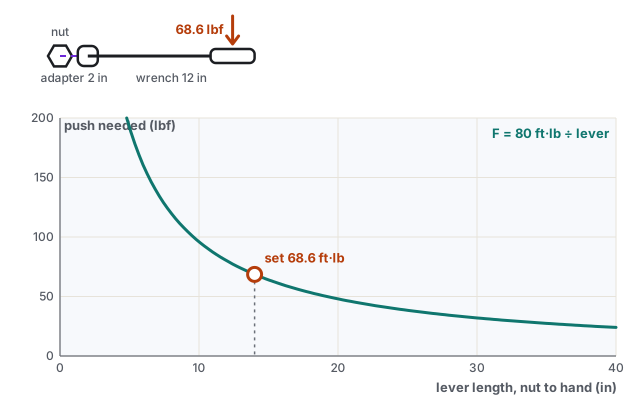
Torque: how hard to pull the wrench, and what an adapter changes
Torque is force times distance. A longer handle takes less push, and an adapter that adds length means you must set the wrench lower.
 Linear Equations
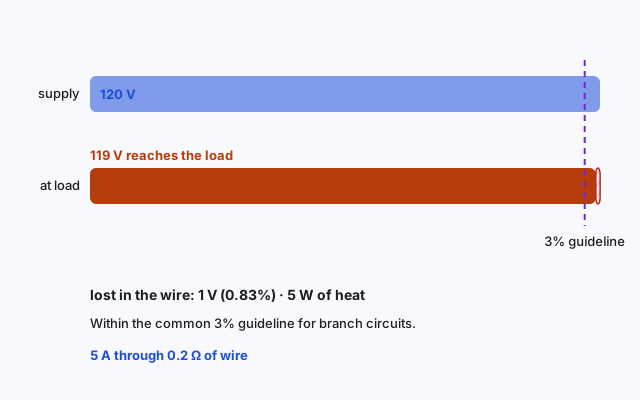
Voltage drop: what the wire takes before the load gets it
Current times wire resistance is voltage you never get to use.
 Linear Equations
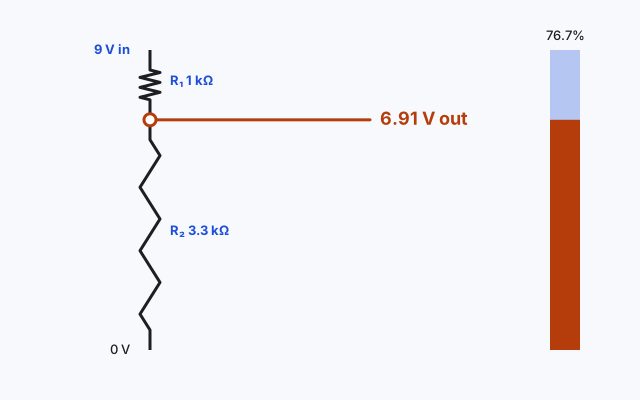
Voltage divider: two resistors make a new voltage
The output is the input times a ratio of resistors, until you connect a load.
 Linear Equations
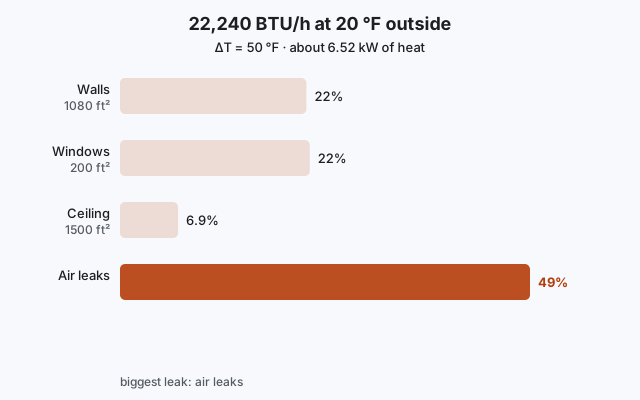
Home heat loss: where does the heat go?
Heat leaks through each surface in proportion to area and temperature difference, divided by R. Windows and drafts punch far above their size.
 Linear Equations
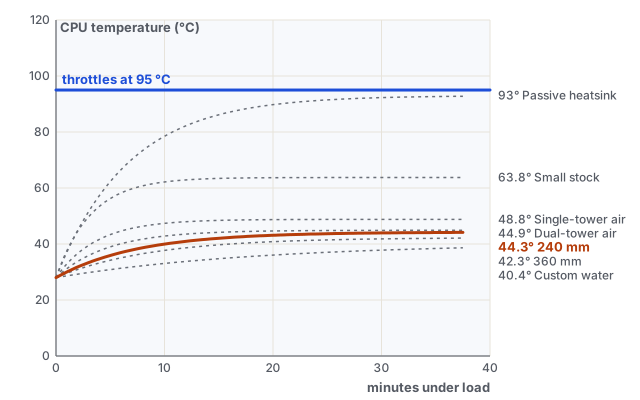
PC cooling: passive, air, or water?
Heat flows through the cooler like current through a resistor: temperature rise = watts × °C/W. Water adds mass, so it heats up slower.
 Linear Equations
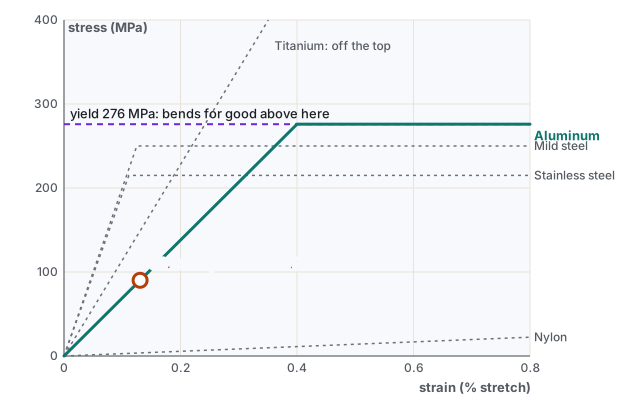
Stress and strain: how much does a rod stretch under a load?
Stress is force per area. Divide by the material’s stiffness and you get the stretch, until it yields and stays bent.
 Linear Equations
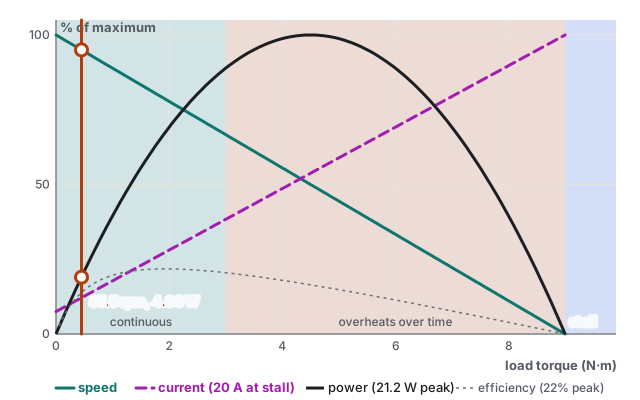
DC motor torque–speed curve: where it runs, peaks, and stalls
Load a DC motor and its speed falls in a straight line to stall. Power peaks at half speed, and efficiency peaks at light load.
 Exponents & Logarithms
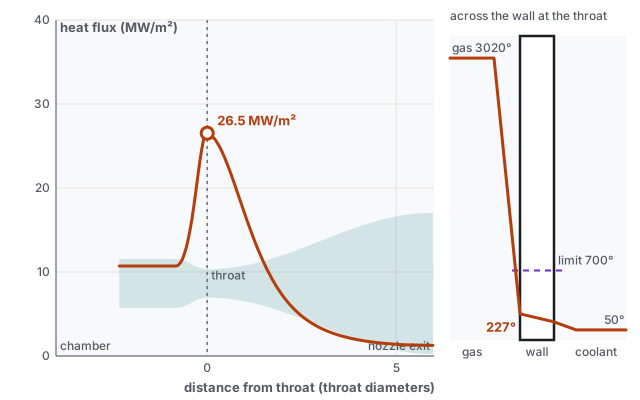
The Bartz equation: how regenerative cooling keeps a rocket throat from melting
Heating grows with chamber pressure to the 0.8 power and peaks at the throat. The fuel flows through the wall to carry it away.
 Calculus (intro)
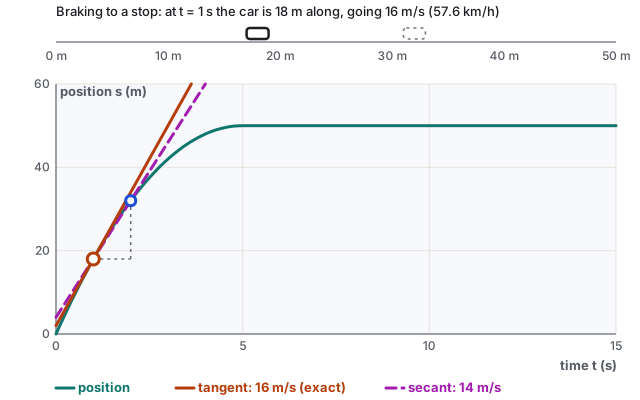
Speed from a position graph: the derivative
The steepness of a position graph is the speed. Shrink a secant line down to a tangent, and you have the derivative.
Formula families
- Ohm’s Law & Electrical PowerTwelve formulas, one wheel. Know any two and find the other two.
- Speed, Distance & TimeCover the one you want; the other two show you how to get it.