Finance & Business
The math behind money decisions
14 live exhibits. Each one already works. Change a number and see what happens.
Open as board Play with these together. Solving one grows related exhibits.
 Systems of Equations
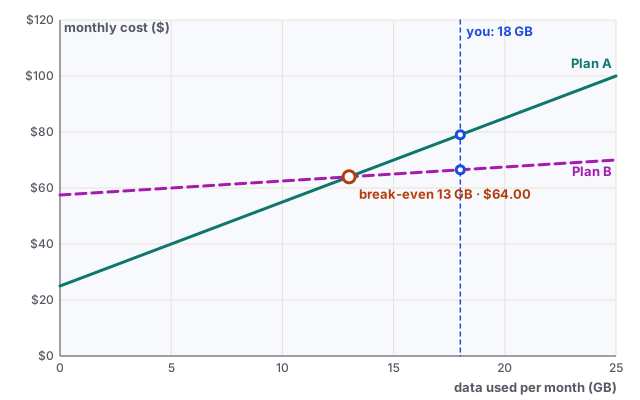
Phone plans: finding the break-even point
Two plans, two lines. Where they cross, the price is the same.
 Percent
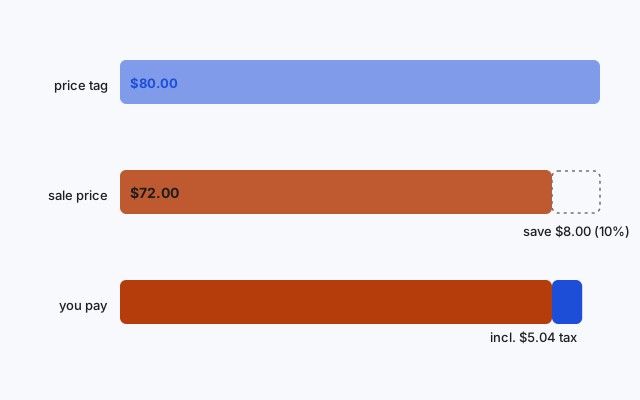
Sale price and tax: what you really pay
30% off, then tax on top. Percent math decides the number at the register.
 Ratios & Proportions
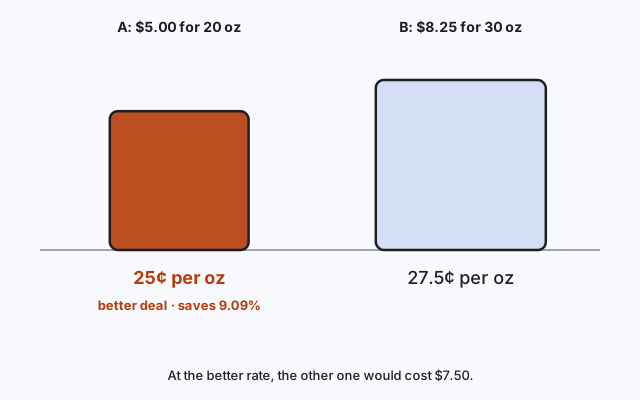
Unit price: is the big size really the better deal?
Divide price by size and the shelf tags stop lying. Bigger isn’t always cheaper.
 Linear Equations
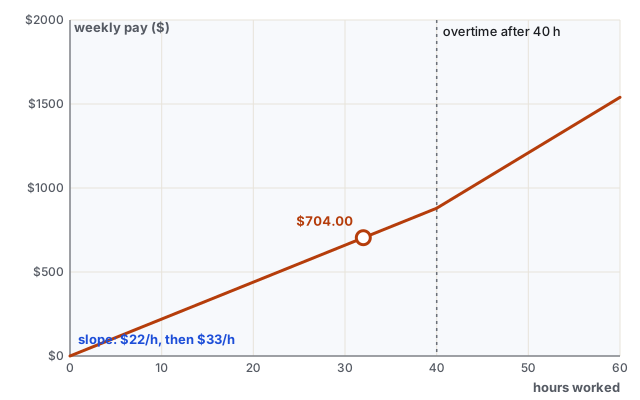
Hourly pay and overtime: time-and-a-half
A straight line with a bend: after 40 hours, every hour pays more.
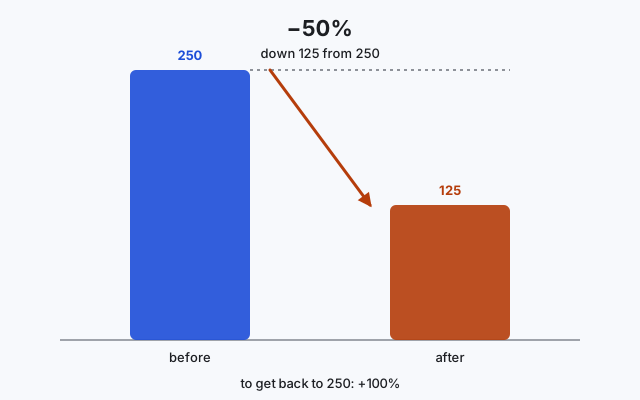 Percent
 change: up 50%, then down 50%, and you’ve lost money
A percent is always “of something.” Change the something and the same percent means a different amount.
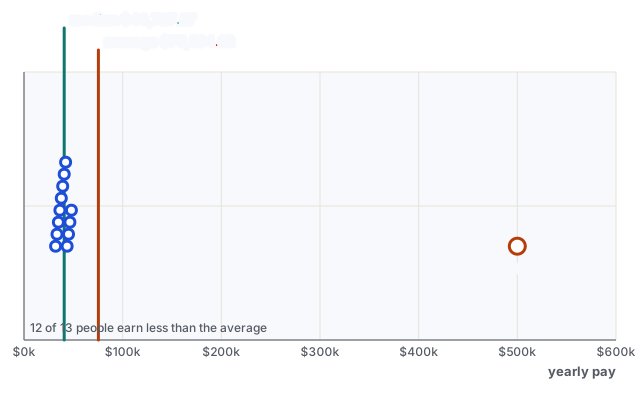 Statistics
Mean vs. median: why one big paycheck skews the average
Add one huge salary and the average jumps. The median, the middle value, barely moves.
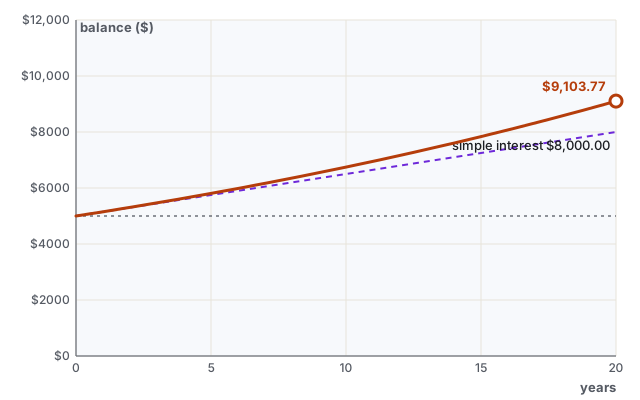 Exponents & Logarithms
Compound interest: money that grows on itself
Interest earns interest. Exponents explain why saving early wins.
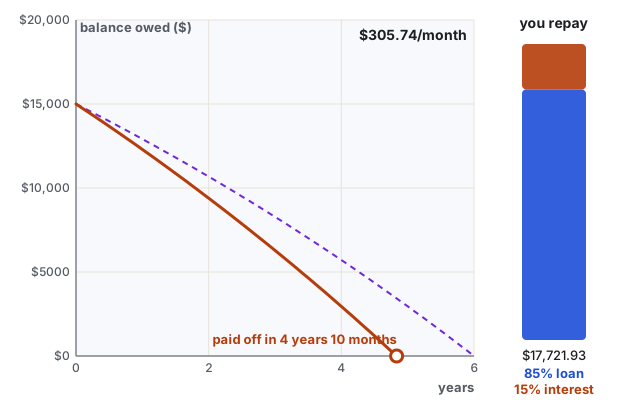 Exponents & Logarithms
Loan payments: what a mortgage really costs
One formula sets every car, student, and home loan payment. See where the interest goes.
 Ratios & Proportions
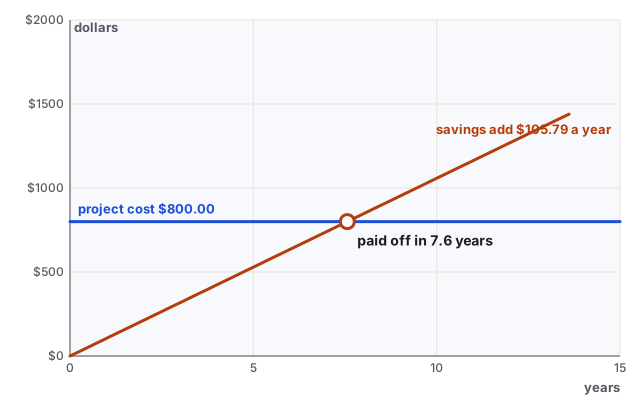
Insulation payback: how long until it pays for itself?
Heat saved goes as 1/R_before − 1/R_after, so the first few inches pay back fastest.
 Probability
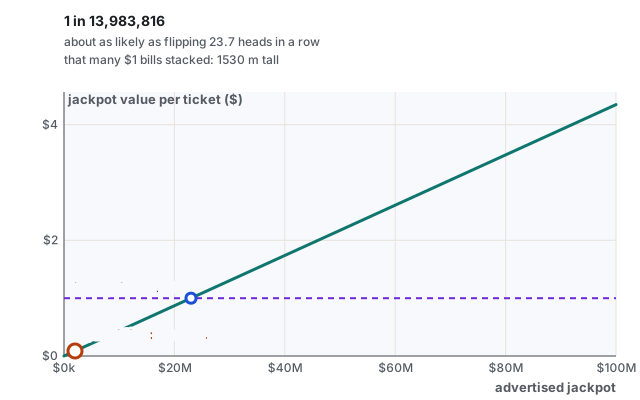
Lottery odds: what is a ticket really worth?
Powerball is 1 in 292 million. Multiply the chance by the prize, after the lump sum, taxes, and splitting, and see what $2 buys.
 Exponents & Logarithms
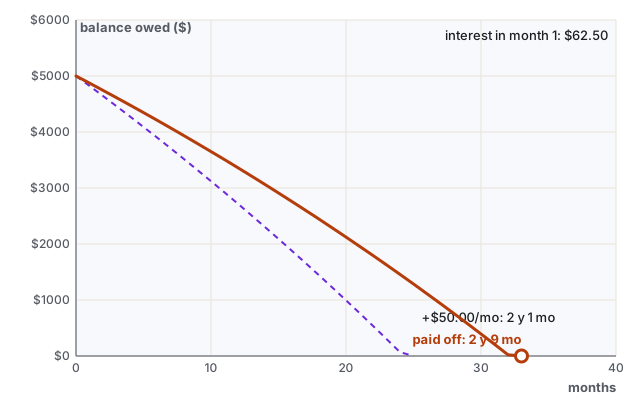
Credit card payoff: how many months until it’s gone?
A logarithm answers “how long?” See why minimum payments take forever.
 Statistics
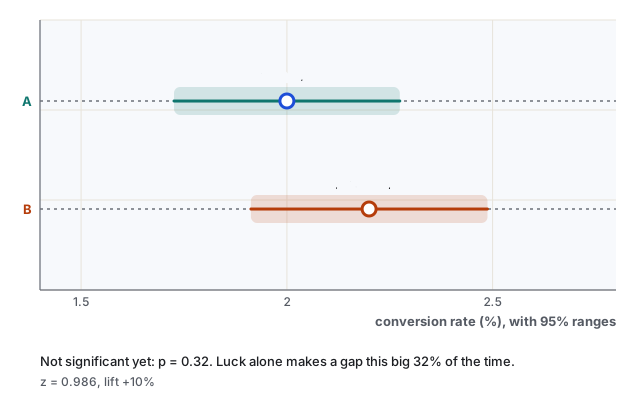
A/B test: is version B really better, or just lucky?
A higher conversion rate might be chance. The z-test turns the gap and the sample size into a p-value.
 Polynomials
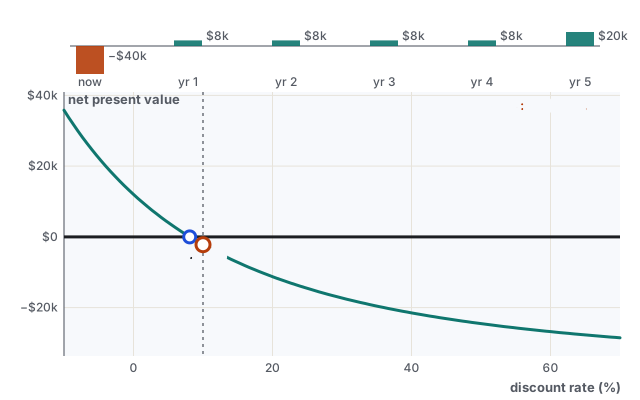
Is this investment worth it? The rate of return is a polynomial’s root
Money today and money later add up to a polynomial. The rate that makes it zero is the investment’s internal rate of return.
 Matrices
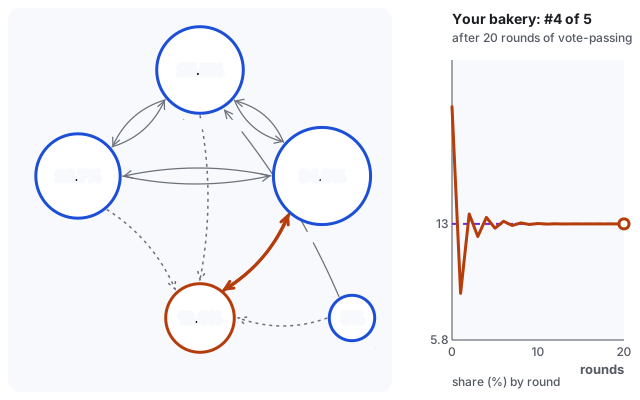
How search ranks pages: links as votes (PageRank)
A link is a vote, and votes from important pages count more. Repeat until it settles and you get PageRank.